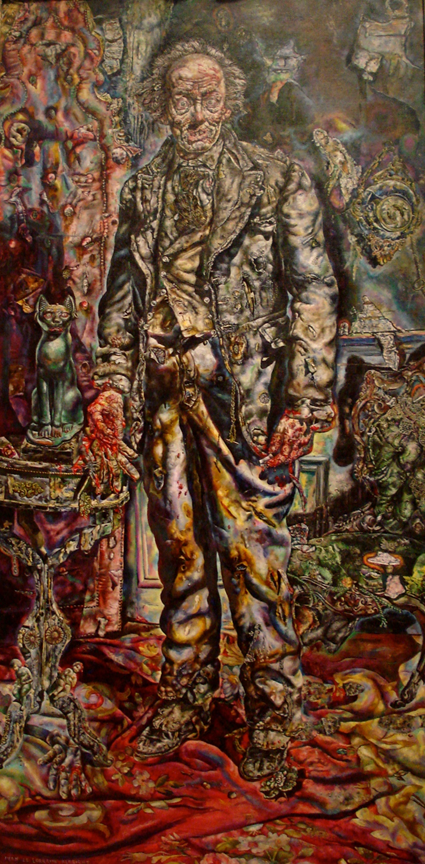
I read The Picture of Dorian Gray my senior year of high school, and again Junior year of college. The first time I was taken back by the flowery, lyrical world Oscar Wilde brings us into. I read this now because of the inspiration it brings to want to create something nearly that lovely.
The Picture of Dorian Gray portrays the corruption of innocence and the consequences of living a life solely for aesthetics. As the main character discovers his charm and ability to manipulate people, he grows enamored with his own beauty and curious about the corruption of his soul. However, while Dorian retains his beauty and youth, his portrait becomes a resemblance of his conscience: bloody, wicked and aging.
This story reads like a timeless classic that depicts the upper-class beliefs about the significance of youth and beauty. That’s why we have chain stores such as Forever 21 and why people on television and the media are mostly younger than forty and have a clear, model like complexion. Beauty may be innate, but it is fleeting, held together only by others in society agreeing to its impossible standards.
I turn to this book when I start to doubt the way I look. When I start comparing myself to the girls I see in magazines and runways, I feel myself drawn to the idea that beauty is not meant to last forever, and that it is often superficial. This book is not only elegantly written, but it is also an accurate depiction of how the conscience has a lasting effect on people, more so than impossible beauty standards.

 Jen's Journal
Leave a comment